
Designing For Human Connection
In an increasingly digital world, objects that require physical interaction hold a unique power. They lie in wait, patiently, until motion brings them to life. Human movement is not optional; it is essential to their purpose.
A hand fan is designed to be held, carried, and activated. It extends the hand’s movement and follows the body’s rhythm. It invites participation, creating a direct and physical connection between the object and its user.
Portable, lightweight, and intuitive, it integrates effortlessly into daily life while maintaining a sense of elegance.
Crafting the Experience: The Art of Hand Fan Making
Creating a hand fan is not as simple as applying a logo to a pre-made object.
The expertise behind its creation has been refined over centuries, particularly in Spain, where they are engineered not only for function but also for movement, expression, and sound. What distinguishes this tradition is a deep understanding of how a fan should move, feel, and endure over time. These qualities were developed over centuries of expert craftsmanship and passed down from artisan to artisan, generation to generation.
Translating a brand into a hand fan is a process of designing for motion, proportion, and sensation. It involves briefing, material selection, prototyping, and approvals before a single fan reaches the recipient’s hands.
Material selection influences not only durability but also the fluidity of movement and the sound of the fan as it opens. The structure of the ribs determines the balance in the hand, while the tension of the pivot governs how naturally the object responds to a single gesture.
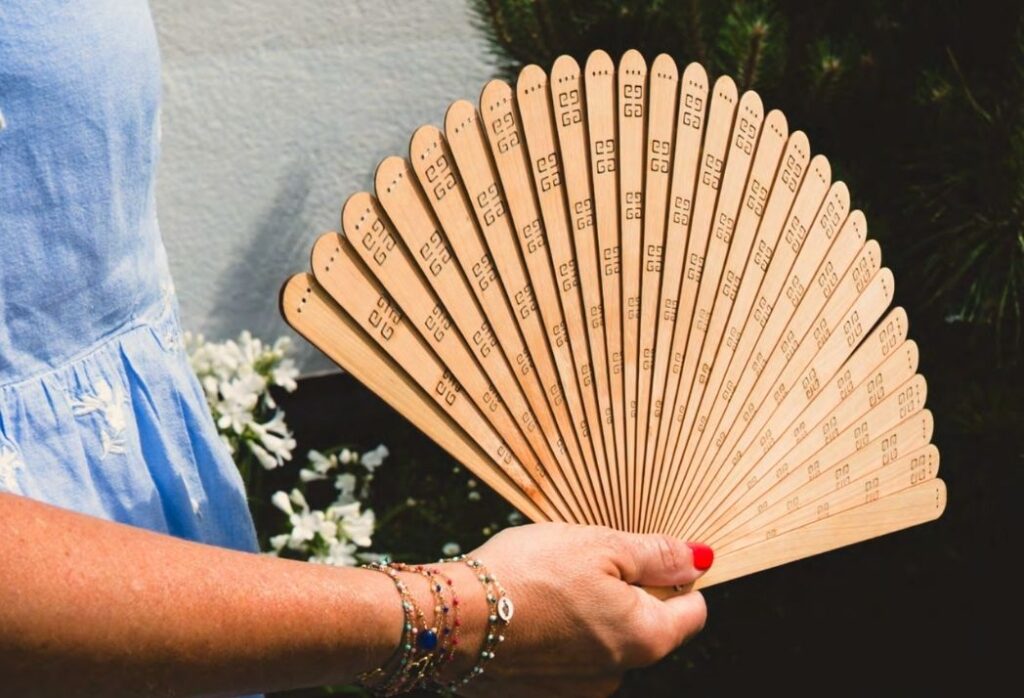
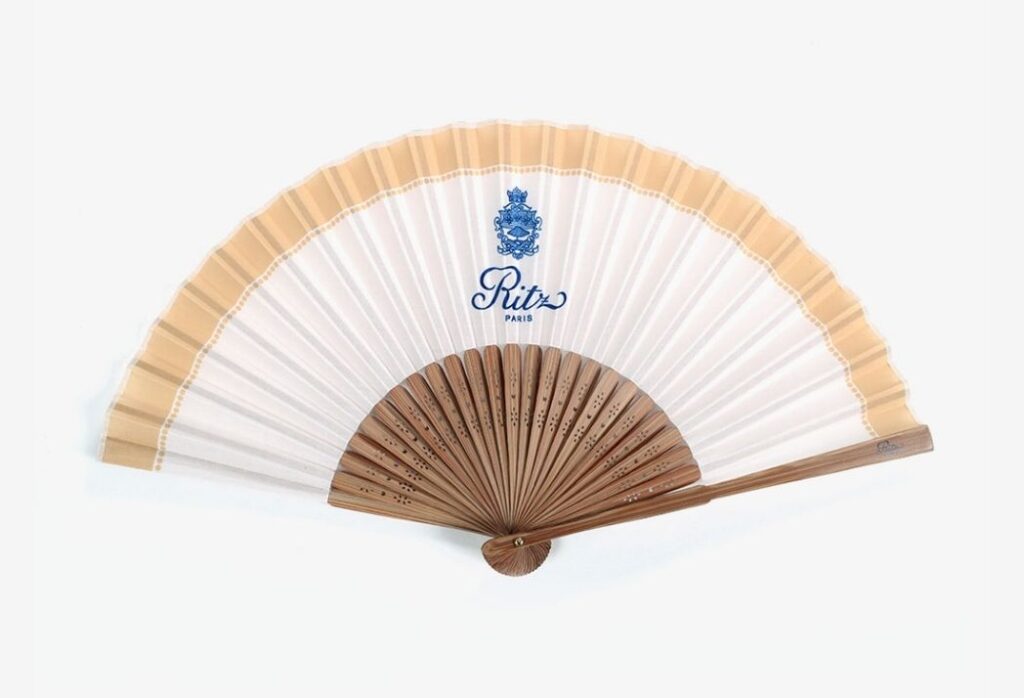
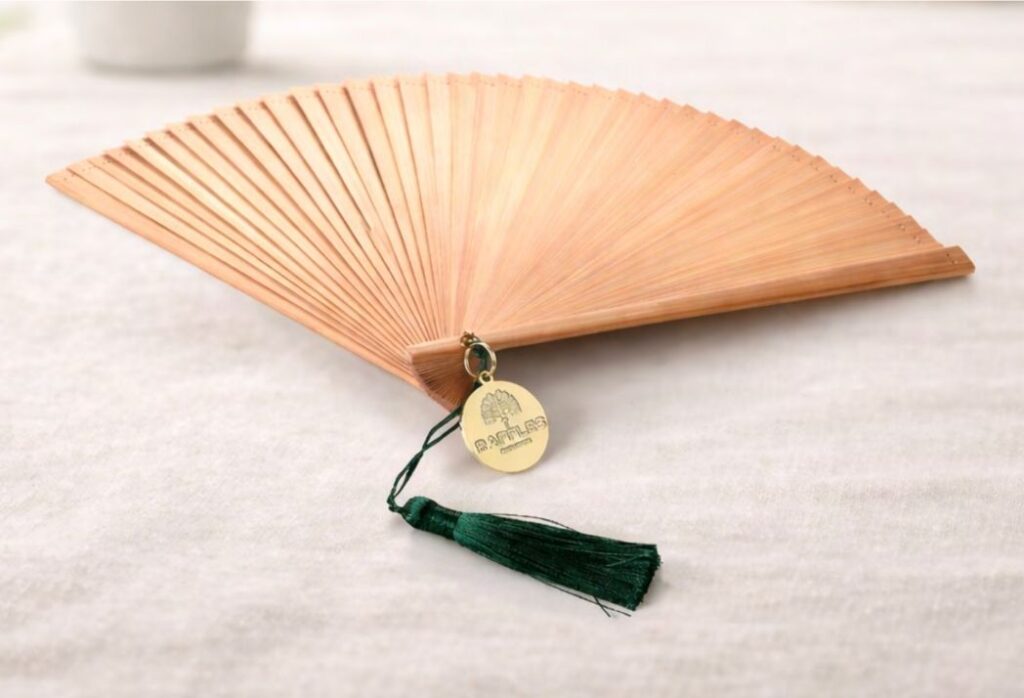
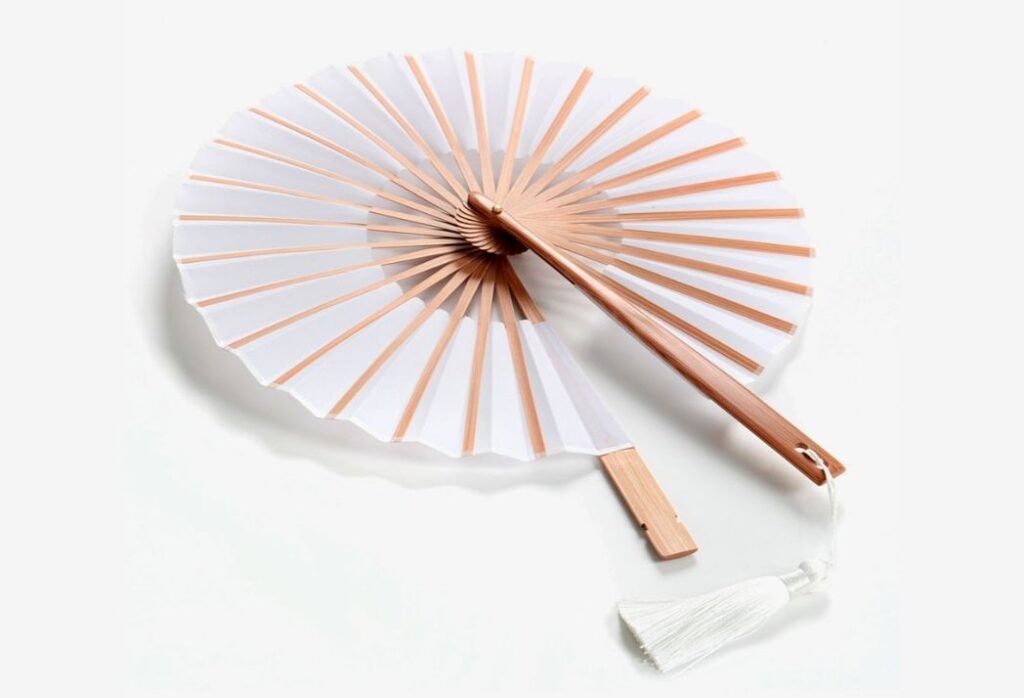

Brand expression must be considered in motion. Graphics are not viewed all at once, but revealed progressively as the fan unfolds. Alignment, scale, and composition must anticipate the transformation. This level of precision defines how we approach the creation of every branded hand fan.
When executed correctly, the object feels effortless. It opens smoothly, moves naturally, and integrates into the user’s gesture without resistance.
Standing Out Through Sensation
Motion-activated gifts create immediate engagement. The second someone unfolds a hand-fan, the interaction is instinctive.
Physical touch and movement trigger emotional recall. With each use, the relationship between the object and the user deepens.
Research shows that people remember how something made them feel far longer than what it looked like. Objects that require participation create stronger, more lasting associations with a brand.
Wood Hand Fans
Cockade Hand Fans
Fabric Hand Fans
Conclusion
The gifts we remember most are not the ones we simply see, but the ones we engage with. Through touch and motion, objects become experiences.
A hand fan does not impose itself. It responds. With a single gesture, it comes to life, shaped by the precision of its making and the intention behind its design. It carries not only function, but memory, movement, and meaning.
In that moment, it becomes more than an object. It becomes something felt, remembered, and kept.