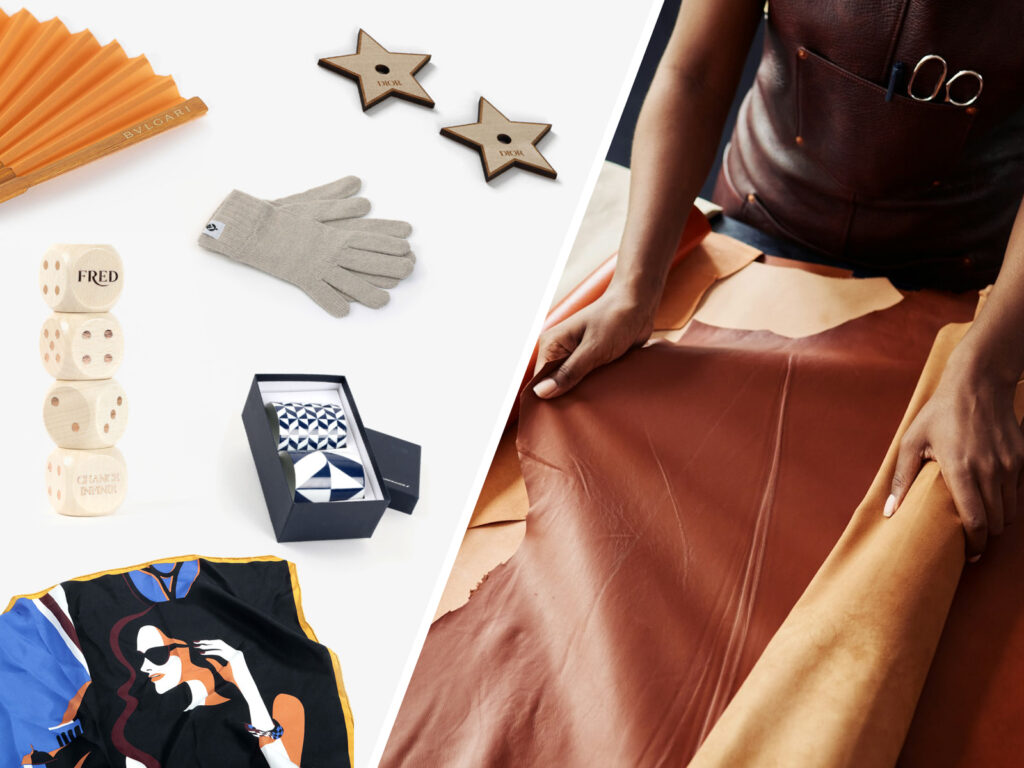
The answer does not lie in adding more visual identity. It lies in what remains when the visuals are removed.
Going Beyond The Logotype
Remove the logo, the color, the context. What remains is what defines a brand at its core. True differentiation is not constructed through visuals alone, but through what endures in their absence.
Shape as Identity
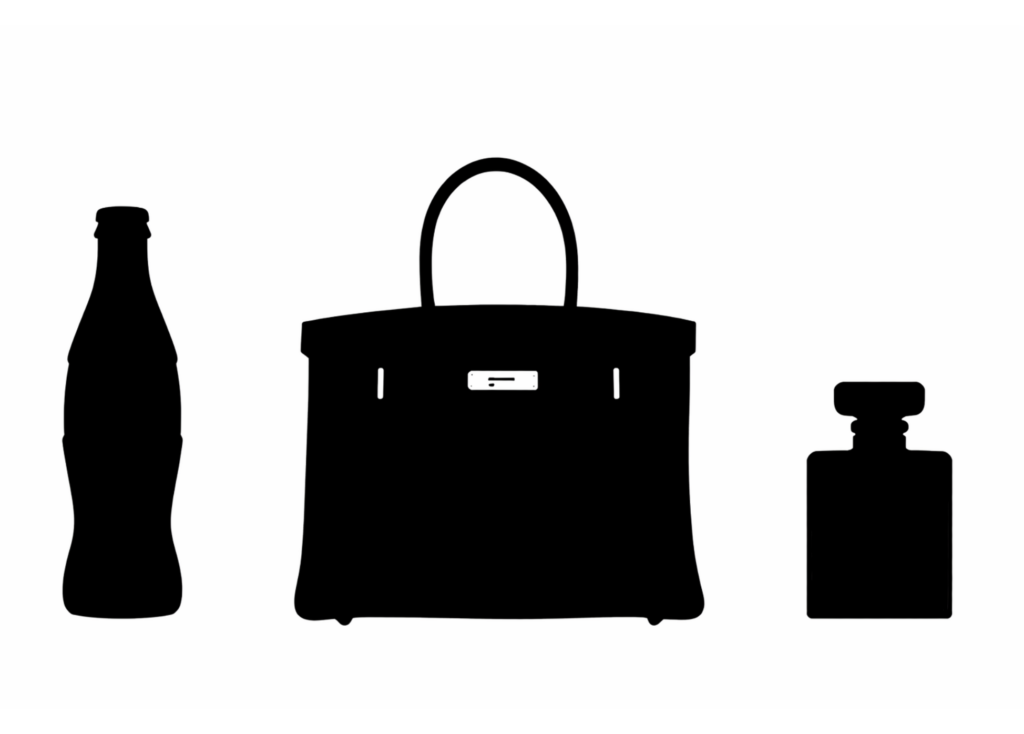
An object’s shape can become its identity. Certain forms are so distinct that they are recognized instantly without detail or decoration. A silhouette alone is enough.
A bottle, a bag, and a perfume.
Over time their forms have imprinted themselves into our memory, becoming inseparable from the brands they represent.
Material Evokes Emotions
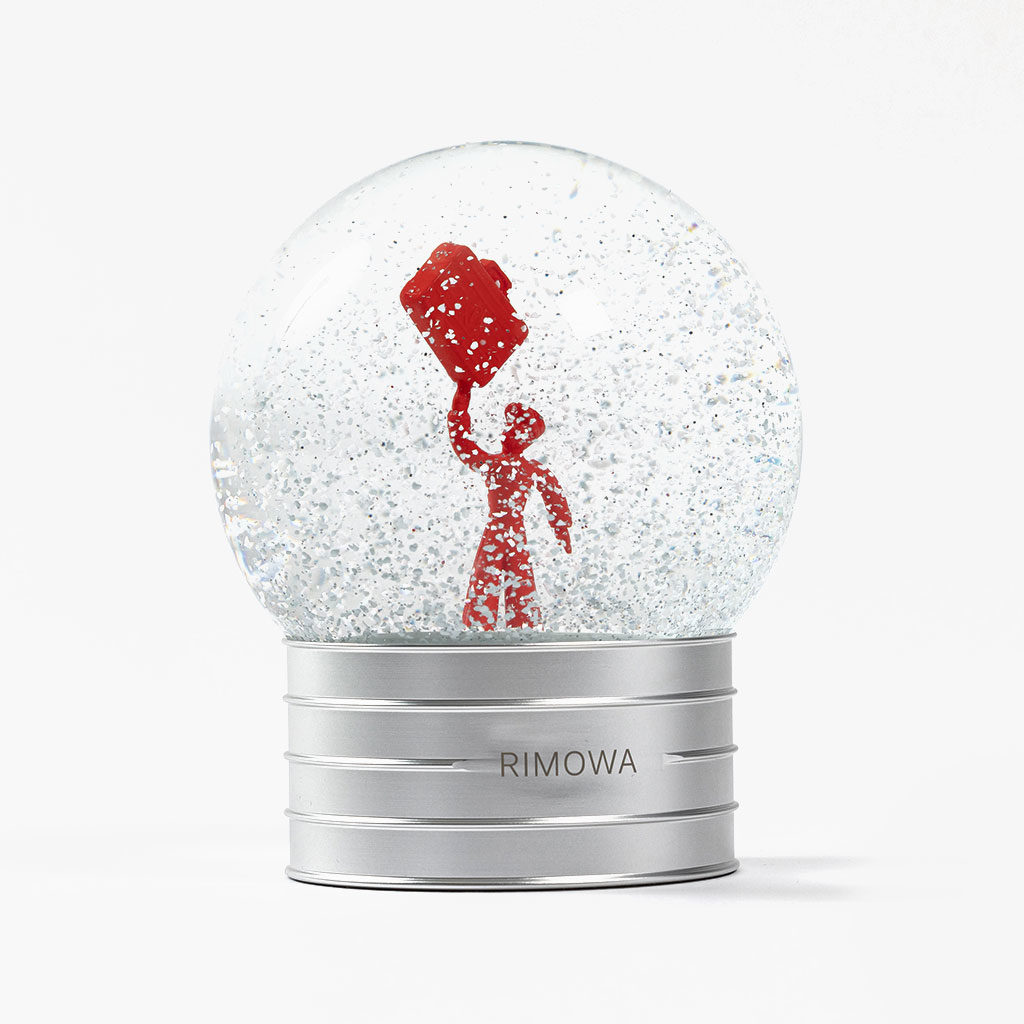
Material is one of the strongest carriers of brand identity. Before thought, there is sensation. Before interpretation, there is feeling.
Softness, smoothness, texture, temperature. Each quality creates an immediate association. The warmth of cashmere does not evoke the same response as the cool touch of silk.
The right material carries origin, craft, and intention. It communicates quality without the need for explanation.
Weight as Value
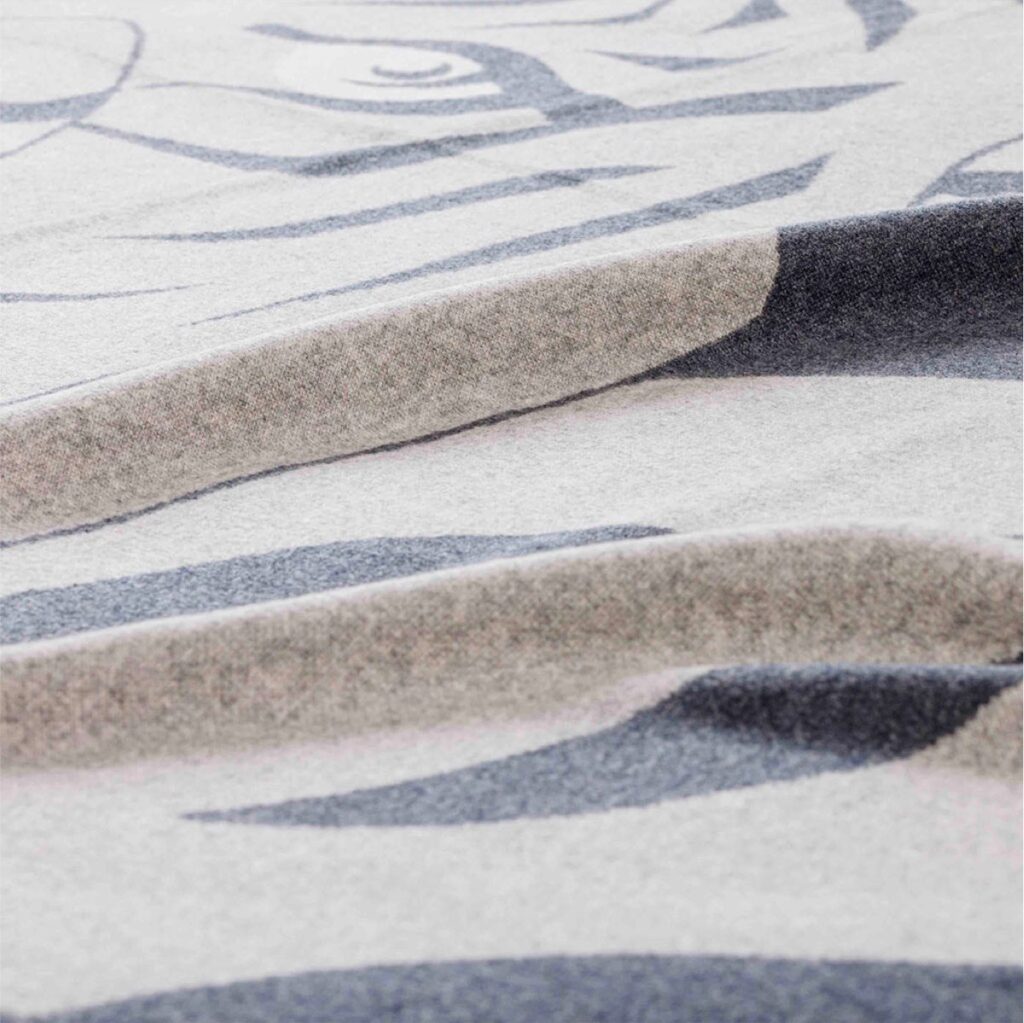
The weight of an object alters our perception towards it. It alters how an object is held, how it is approached, and how it is experienced.
Heavier objects feel grounded and deliberate. They introduce resistance, slows down interaction and creates a strong presence. At that moment, the weight commands attention.
What is seen may fade, but what is felt will remain.
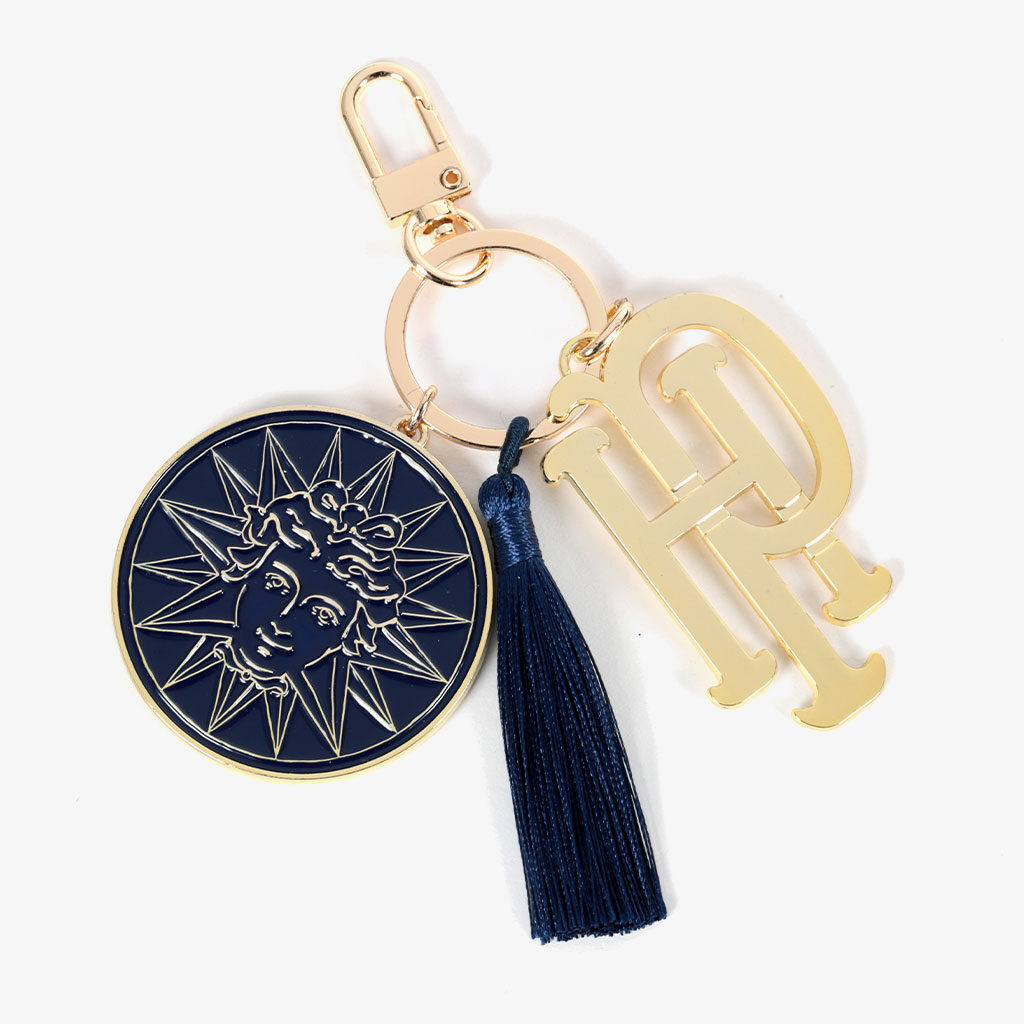
Designing For Memory, Not Moment
The objective is not to create something momentarily appealing, but something lasting. An object is not defined by how it appears at first glance, but by how it is experienced over time.
Every detail contributes to its presence, shaping how it is perceived, held, and remembered. This is where gifting moves beyond the disposable, towards objects that settle into daily rituals and , over time, become inseparable from them.
Design Principles: Translating Brands into Objects
Brand identity is not applied. It is translated into form, material, and experience.
To design beyond the disposable is to create objects that integrate seamlessly into daily life. They do not seek attention. They reveal themselves over time, through use.
Authenticity is not stated, it is inherent. It resides in the precision of a line, the integrity of a material, the balance of weight and proportion. Each decision is deliberate and each detail is considered.
The hands of the maker shape every detail, transforming raw material into something that carries more than function. In every stitch, intention is embedded, reinforcing a sense of permanence.
Exceptional Materials To Embody Your Brand’s Identity
Wood: An Organic Presence
Cashmere: For Absolute Comfort
Porcelain: Strength in Delicacy
Silk: Elegance in Motion
Metal: For Precision and Impact
Conclusion:
In a world increasingly experienced through screens, what we can hold, feel, and keep becomes what endures.
Objects take on a different significance when they are shaped with intention. Through form, material, and weight, they move beyond function and enter the realm of experience, creating a presence that is both immediate and lasting.
Brands that invest in these elements do not simply create objects. They shape how they are remembered.