According to a Bain & Company report, consumers are prioritizing meaningful experiences over products. In response, global brands are expanding and elevating their experiences by making them grander and more immersive to draw customers through their doors.
The Transformation of Global Brand Strategy
International high-end brands are reorienting around emotional storytelling, sensory immersion and experiential design; especially in their limited/seasonal collections. Research and Markets reports that over 70% of affluent consumers prioritize experiences over material goods.
Today’s high-end consumers are seeking emotional connection and unique experiences that extend beyond the product itself.
To foster lasting relationships, brands must fully embrace this evolution by crafting authentic experiences that evoke positive emotions, foster belonging, and create shared meaning rather than relying solely on product exclusivity.
Examples of Unique Customer Experiences
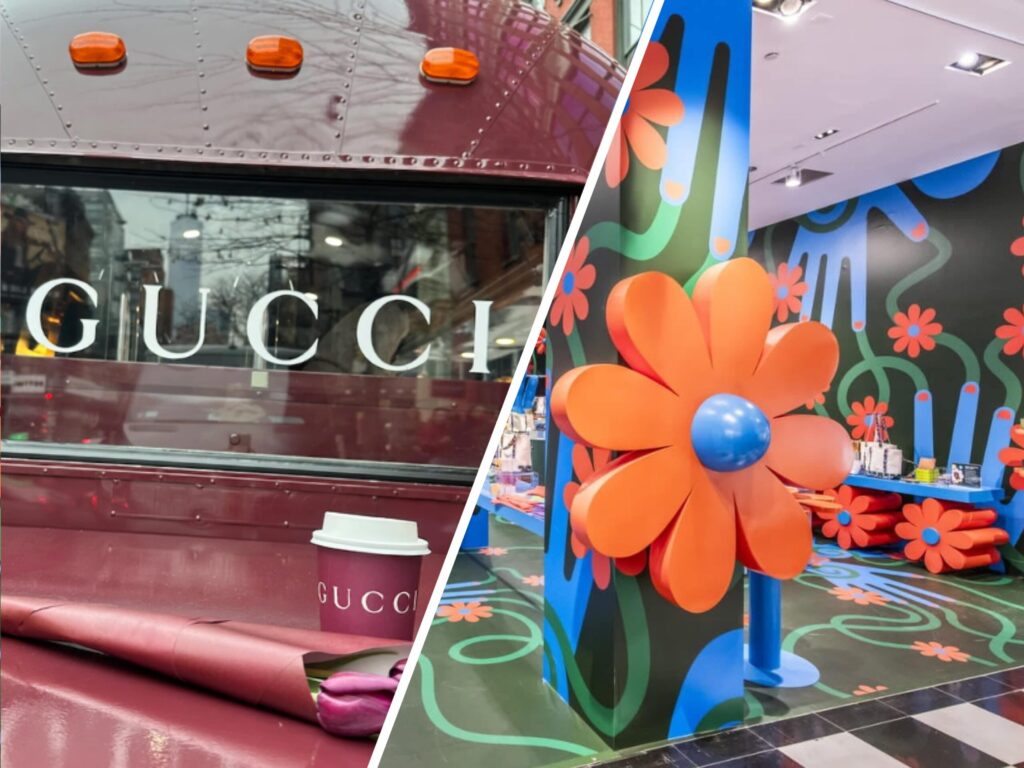
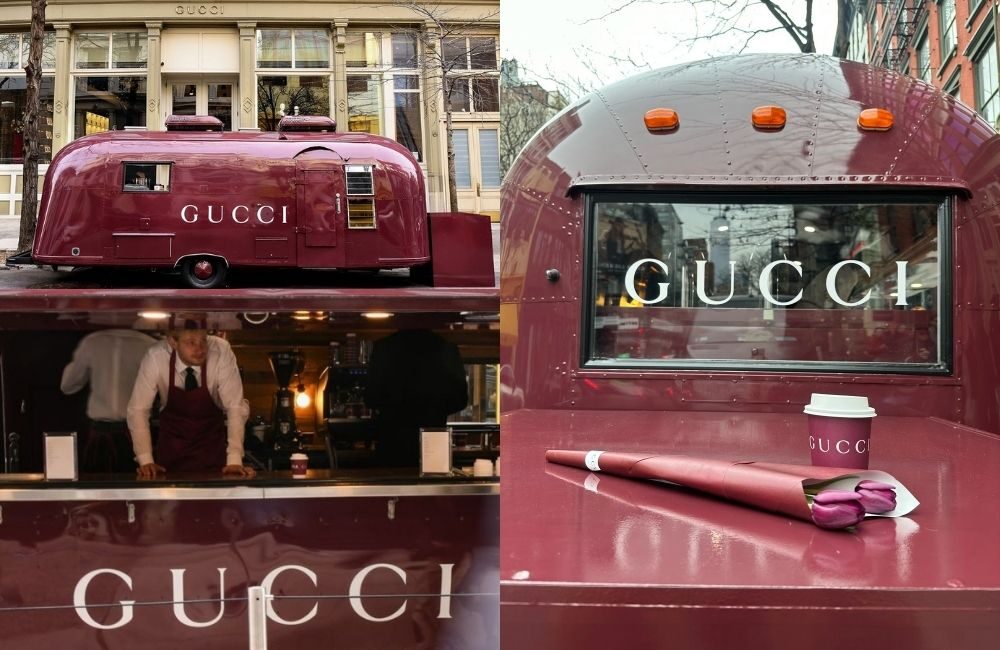
Gucci Ancora: In 2024, Dior’s new creative director Sabato De Sarno debuted his first for the legendary fashion house. Understanding that a new collection alone wasn’t enough to drive foot traffic, Gucci partnered with high end coffee brands and created a limited edition Ancora coffee popup.
At the Soho, NYC boutique, guests were treated to complimentary espresso drinks, limited edition postcards, and tulips wrapped in matching Ancora colored paper.
Shiseido: In 2019, Shiseido partnered with China Duty Free Group (CDFG) to launch “Walks the Walk” popups across major Chinese airports, turning downtime into an opportunity of discovery. By taking advantage of layovers, delays, and capturing busy clientele at the moment when clients had time to browse.
Travelers were invited to “check-in” to the future of skincare through interactive screens, augmented reality features, and a gamified vending machines offering Shiseido-branded prizes in the form of branded travel adapter, travel pillow, luggage tag, and mirror. By combining education with play and offering a gift, Shiseido built a memorable emotionally resonant connection with global travelers on the go.
Bloomingdale: By reimagining its New York flagship through a vibrant, artistic collaboration with London based artist Yinka Ilori. The multibrand takeover featured a kaleidoscope featuring home decor, games, clothing, accessories, jewelry, playstation controllers, paint brushes and even cookies. It was all unified by Llori’s signature colorful aesthetic.
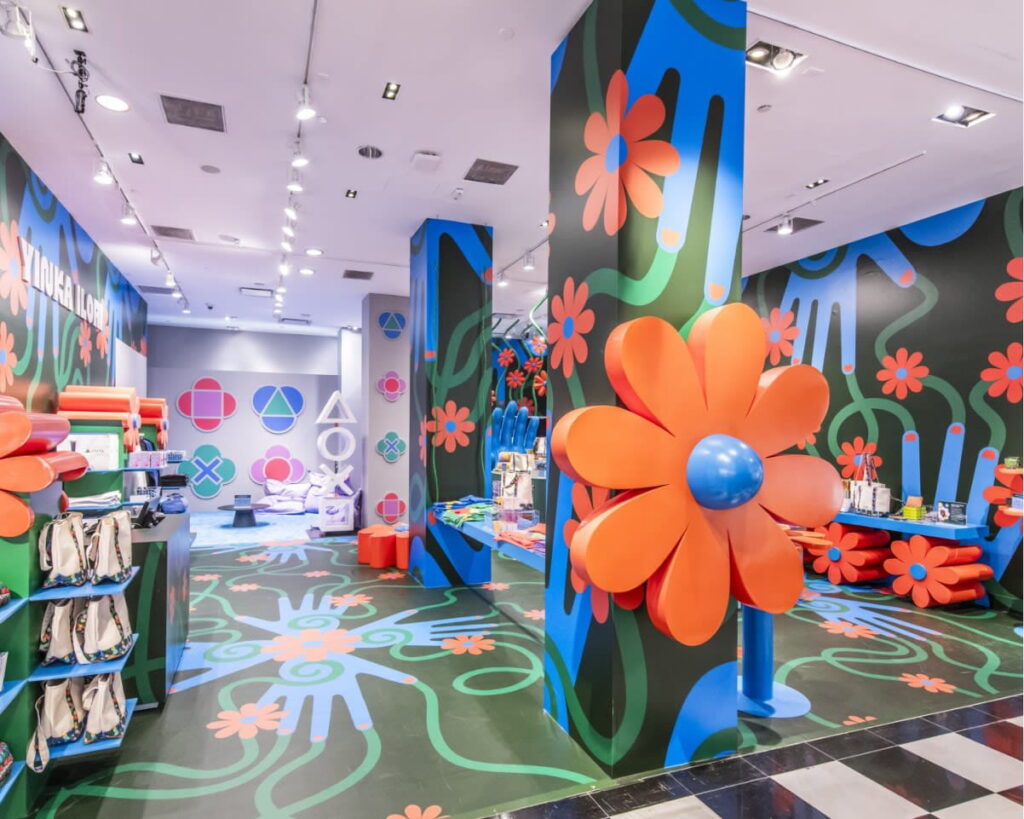
Customers didn’t come in just to shop; they played in the Playstation corner, explored the art installations throughout the store, and discovered the limited edition collection organically. This collaboration breathed new life into legacy products and invited customers to participate in the creative spirit of the brand.
Chloe: To celebrate its launch of its newest handbag that features the brand’s signature lock and key, Chloe unveiled a unique reactivation campaign that blends exclusivity with playful intrigue. The brand crafted 100 unique keys and gifted them to their top 100 clients. Each client was invited to visit a Chloe boutique in person to test their luck. Only one key will unlock a bag and the lucky guest with that key wins the piece.
This campaign transformed a simple visit into a moment of suspense, thrill, joy, and reinforced Chloe’s dedication to their most loyal clientele.
Through such intimate experiences, brands can heighten anticipation, nurture emotional bonds, and strengthen long-term loyalty.
Designing Immersive Customer Experience
A true immersive event is more than just a beautiful storefront or curated product display. It must be designed intentionally from the moment the guests go through the door.
Curate Emotion, Not Just Aesthetics
Powerful experiences can evoke strong emotions. Unique experiences need to spark wonder, nostalgia, joy, or curiosity, to create lasting emotional impressions that will resonate long after the event ends.
Offer Multisensory Moments
By incorporating scent, ambient soundscapes, lighting, and even temperature, brands can engage multiple senses and elevate the guest’s experience. By immersing your guests, you can deepen emotional impact and strengthen brand connection.
Foster Community and Nurture Clients
Beyond ambiance, curated experiences should foster community and intimacy using exclusive events such as private trunk shows, style previews, or the unveiling of a new collection can make clients feel part of an elite inner circle. Use moments to foster loyalty and make your clients feel like part of an exclusive club.
Root The Experience In Your Brands Culture
Weave your heritage, values, and brand story into every detail of your immersive space. Authenticity is the new luxury.
Give a Custom Gift
A thoughtfully designed gift crafted with meaning and expert craftsmanship will serve as a lasting memento that serves as a reminder of their unforgettable experience.
Conclusion
Global brands are transforming shopping into a deeply emotional and participatory experience. Consumers today crave meaning and authenticity, not materialism.
From coffee carts to immersive art spaces, from personalized giveaways to multi-sensory activations, leading brands are reimagining what it means to “go shopping.” Companies aren’t merely inviting customers to shop, they are inviting them to belong.
In this new era of consumer habits, success belongs to the brands that understand one timeless truth: consumers may forget about a product, but they never forget how a brand made them feel.